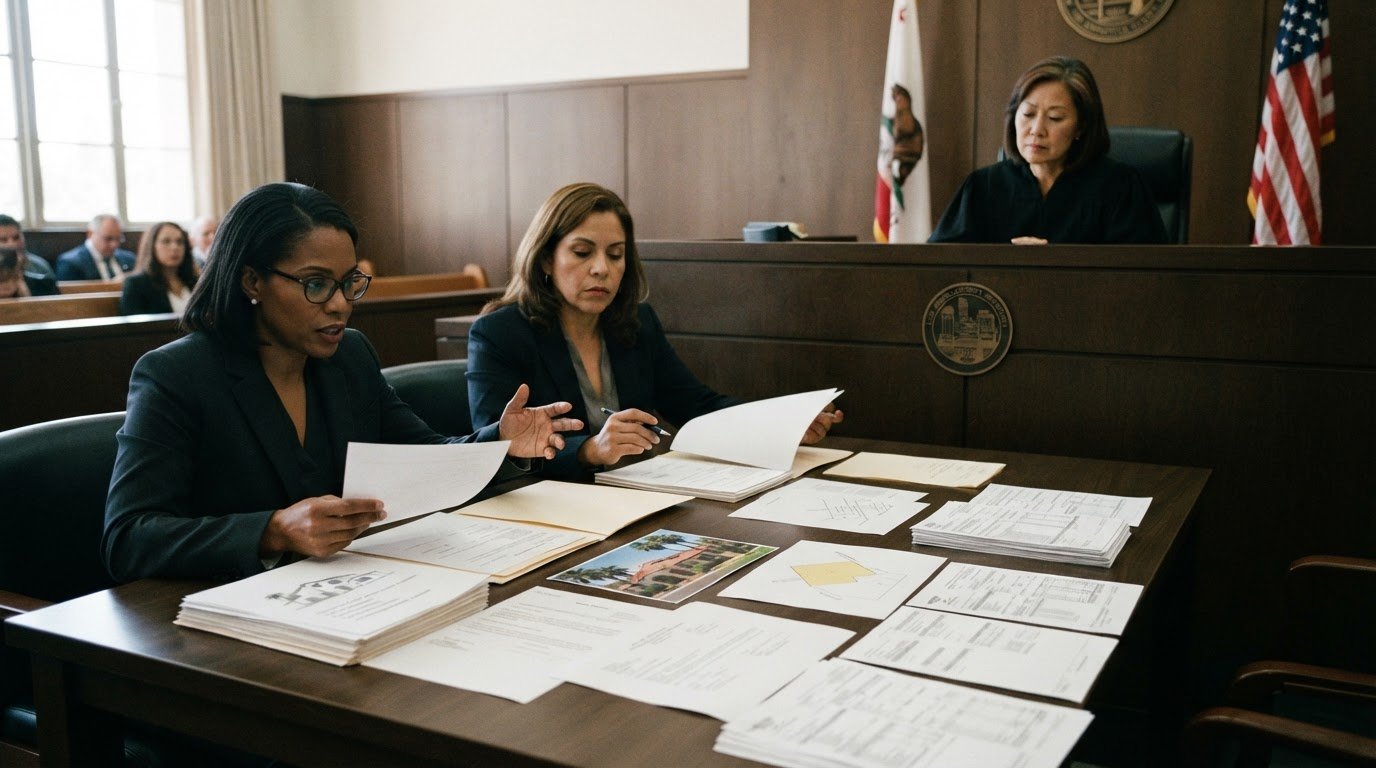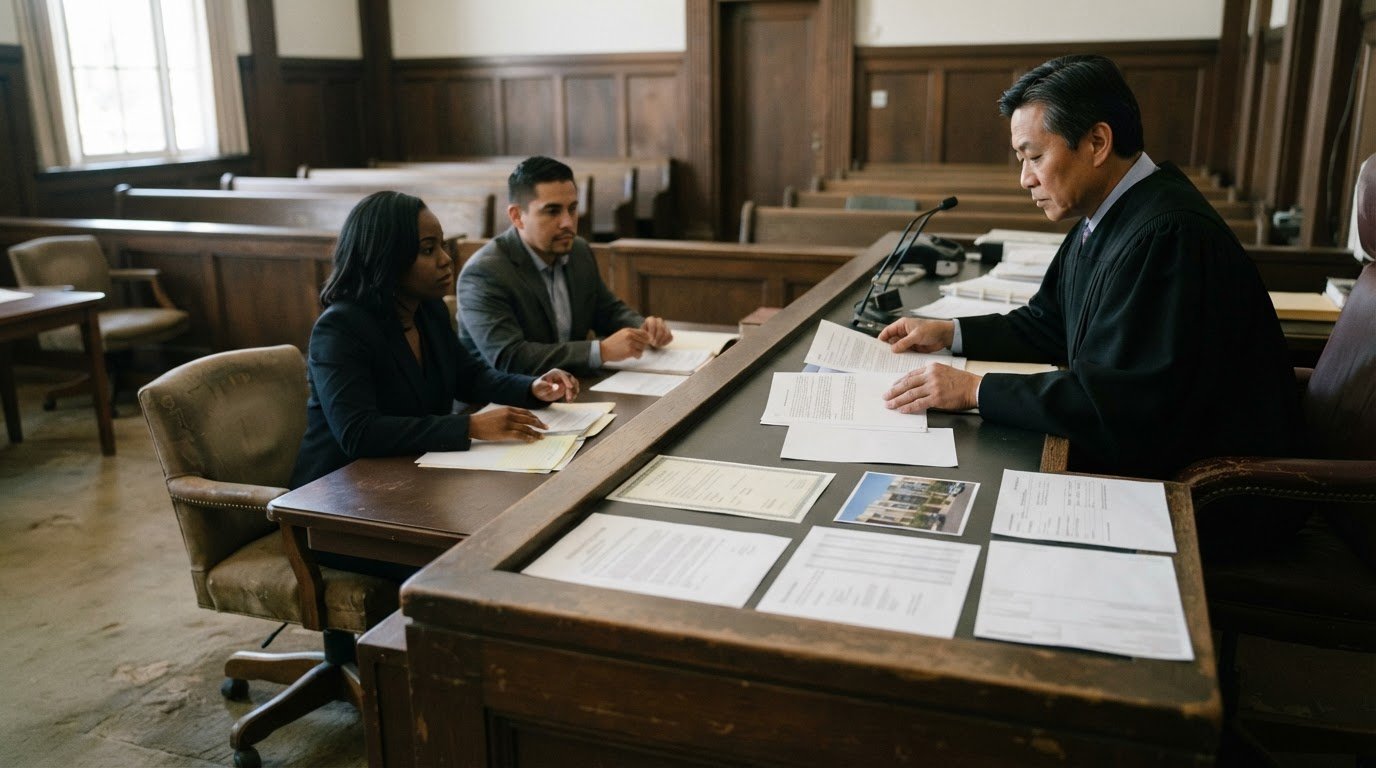
In California, the legal options when property is omitted from a trust depend on how the asset is titled and whether another transfer arrangement applies. Property with a beneficiary designation or joint ownership with survivorship rights may pass outside probate; other assets may become part of the probate estate. A Heggstad petition may offer a route to place omitted property in the trust when the trust documents and supporting evidence show the owner intended it to be trust property.
Discovering that real estate or another important asset wasn’t properly titled in the trust can be unsettling, particularly when the trust was meant to guide its distribution. The trust’s wording matters: broad language covering property, together with records or conduct showing intent, may support a petition. This article explains what can happen to omitted assets, how California Heggstad petitions work, and what evidence may matter, so you can assess the options for the property involved.
Key Takeaways
Whether this route applies depends on the estate and the property involved.
A pour-over will may direct omitted assets into a trust through probate, while tracing records can help identify missing assets and clarify their history. Never file a quitclaim deed transferring property to a trust after the owner has died.
Trust language, written assignments, asset schedules, correspondence, and the grantor’s actions may help show an intent to include property. Consider how these records fit together, rather than relying on one document alone.
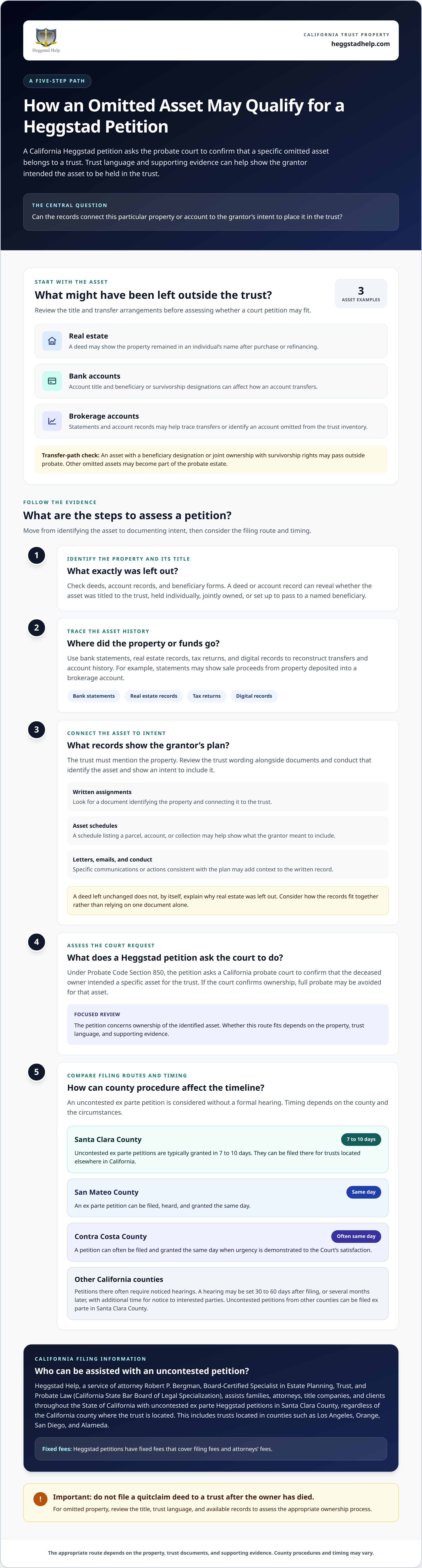
For uncontested Heggstad petitions, Santa Clara County filings are typically granted in 7 to 10 days; San Mateo filings can be filed, heard, and granted the same day, and Contra Costa filings can often be granted the same day when urgency satisfies the Court. Other counties often require noticed hearings, while petitions can be filed ex parte in Santa Clara County for trusts located elsewhere in California.
What Happens to Assets Left Out of My Living Trust?
To reduce the risk of omissions, keep an asset inventory and have an attorney coordinate trust language, account designations, and title changes. In California, omitted assets may enter probate. A pour-over will may direct eligible property into the trust, but never file a quitclaim deed to a trust after death.
What happens to omitted assets in probate?
For property outside a trust, probate is the court process for settling ownership and distribution. An account without a beneficiary or survivorship arrangement may pass under a will. Without a will, California intestacy law may govern. A pour-over will directs omitted personal items into the trust, but probate may still be needed first. The treatment of omitted assets can depend on the circumstances.
What happens to missing real estate and financial assets?
Real estate may remain in an individual’s name after purchase or refinancing, even when the trust was meant to own it. A brokerage account, bank account, or other financial asset may also remain outside the trust if its title or beneficiary forms were never updated. Joint accounts with survivorship rights and assets with designated beneficiaries follow those transfer arrangements, not simply the trust language. Deeds and account records help identify the applicable ownership path.
How can you trace missing assets?
Financial records can help reconstruct transactions and trace where funds went. Bank statements, real estate records, tax returns, and digital records may reveal transfers, balances, or accounts missing from a trust inventory. For example, statements may show sale proceeds from property deposited into a brokerage account. Tracing can help distinguish an omitted asset from property already spent or transferred, giving an attorney a clearer record to assess the next step.
What Is a California Heggstad Petition?
A Heggstad petition asks a California probate court to confirm that omitted property belongs to a trust. When the evidence supports the grantor’s intent, it may resolve ownership without full probate administration.
What Are Petitions to Establish Trust Ownership?
A California Heggstad petition under Probate Code Section 850 asks the court to confirm that the deceased owner intended an asset for the trust. Documents and other evidence may help show whether the owner intended an asset to belong in the trust. The procedure follows Estate of Heggstad, a 1993 California case. Among the legal options when property is omitted from a trust, this petition addresses ownership of a specific asset.
An ex parte petition may allow a court to consider a request on an expedited basis. In Santa Clara County, petitions are typically granted in 7 to 10 days. In San Mateo County, they can be filed, heard, and granted the same day. Contra Costa County petitions can often be granted the same day when the Court is satisfied that urgency exists. Other counties often require noticed hearings, with additional notice time. Hearings may be set 30 to 60 days after filing, or several months later.
What Are the Tradeoffs Between Probate and a Court Petition?
Full probate can involve court fees, legal expenses, and administrative delays. A Heggstad petition focuses on whether a specific asset belongs in the trust. If the court confirms ownership, full probate may be avoided for that asset. The appropriate route depends on the property, trust language, and supporting evidence. State procedures differ, so rules from another state may not apply in California.
For families considering legal options when property is omitted from a trust, deadlines may also matter. California sets deadlines for certain claims involving trustee misconduct or surcharge, and waiting too long can bar a claim. Beneficiaries concerned about trust accounts may petition for an accounting or surcharge to seek an explanation of how property was handled.
What Evidence Shows the Grantor Intended to Fund the Trust?
For a California Heggstad petition, evidence must connect the omitted asset to the grantor’s intent. The trust must mention the property, and records can show the grantor intended it to be held in the trust. A deed left unchanged does not, by itself, explain why the real estate was left out.
Written assignments can provide a direct link between an asset and trust funding. For example, an assignment identifying a particular investment account may support the claim that the grantor intended it to be funded into the trust. An asset schedule naming a parcel or valuable collection can also help identify what the grantor meant to include.
Correspondence may provide useful context. A letter to an attorney discussing a specific property transfer, or an email describing plans to place a brokerage account in the trust, may help explain the grantor’s intent. The date and detail matter: a message naming the asset and intended trust is more informative than a general statement about estate planning.
Written assignments: Look for documents that identify the property and connect it to the trust.
Asset schedules: A schedule listing a parcel, account, or collectible can show the intended scope of funding.
Correspondence: Letters and emails may explain plans for a specific asset.
Conduct: Actions consistent with the grantor’s plan may support the written record.
Evidence is more persuasive when the documents tell a consistent story. For example, a trust schedule naming a home, paired with correspondence about transferring it, may show a clear funding plan. Gaps or conflicting records can make the grantor’s intent harder to establish.
Can General Trust Language Transfer Ownership of Real Property?
General trust language may help show that real estate was intended for a trust, but it doesn’t automatically change the public title record. In California, the trust’s wording and evidence of the grantor’s intent may matter when a deed still names the grantor individually.
While the owner is alive, real estate intended for a living trust generally must be retitled by preparing and recording a new deed. A statement in the trust alone does not complete the title change. If the deed remains in the owner’s name, the property may be left outside the trust when the owner dies.
California’s Ukkestad v. RBS Asset Finance, Inc. (2015), cited as 235 Cal. App. 156, loosened the requirement that property be specifically identified when the trust states that all real and personal property, wherever situated, is held in the trust. This general language may support a claim, but it does not automatically establish ownership of every asset. The trust’s wording and evidence still matter. One of the legal options when property is omitted from a trust is to ask a court to determine whether that language covers the asset.
For example, a broad clause covering all real property may support a claim involving a home omitted from a schedule. The recorded deed and trust terms remain important to the ownership question. After death, don’t try to correct title by filing a quitclaim deed to the trust. A court petition may be needed to establish the grantor’s intent. Understanding the legal options when property is omitted from a trust can help distinguish an ownership claim from a title change made during the owner’s lifetime.
Personal property and collectibles can raise a different issue because they may not have a deed or formal title record. Furniture, artwork, or jewelry may be addressed by trust language, an assignment, or a pour-over will. The key distinction is that broad language may help establish intent, while titled real estate generally requires a deed during the owner’s lifetime.
How Can Heggstad Help Correct Trust Asset Title?
HEGGSTAD HELP, a service of attorney Robert P. Bergman, Board-Certified Specialist in Estate Planning, Trust, and Probate Law (California State Bar Board of Legal Specialization), helps successor trustees, families, attorneys, real estate professionals, and title and escrow companies address omitted assets through Heggstad petitions and trust asset title correction.
When real estate or another asset was intended for a trust but remains titled outside it, the process may involve preparing a petition and supporting evidence, then seeking a court order confirming trust ownership. HEGGSTAD HELP prepares and files eligible, uncontested ex parte petitions and coordinates with interested parties. The service focuses on Heggstad petitions and title correction, not full probate administration.
For trusts located anywhere in California, HEGGSTAD HELP can file uncontested ex parte petitions in Santa Clara County Probate Court. These petitions are typically granted in 7 to 10 days. In San Mateo County, petitions can be filed, heard, and granted the same day. Contra Costa County petitions can often be filed and granted the same day when the Court is satisfied that urgency has been demonstrated.
In other counties, including Los Angeles and Alameda, petitions often require noticed hearings and may take many months. An uncontested petition from those counties can instead be heard ex parte in Santa Clara County, often decided within 7 to 10 days from the filing date. Fixed fees cover filing fees and attorneys’ fees, providing families, attorneys, title companies, and clients a defined fee structure. This route fits an omitted asset when trust language and evidence support an uncontested ownership request.
To discuss trust asset title correction, contact HEGGSTAD HELP.
Frequently Asked Questions
What happens when property is not titled in your trust?
The asset’s legal ownership and transfer arrangements determine what happens next. A beneficiary designation or joint ownership with survivorship rights may transfer property outside the trust. If neither applies, an individually owned asset may become part of the estate and pass through probate under a will or California intestacy law. For a home, the recorded deed helps show who held title.
Can Assets Be Added to a Trust After Death?
After the grantor dies, a successor trustee generally can’t simply retitle an omitted asset into the trust. In California, a Heggstad petition may ask the court to confirm that property belongs to the trust based on its language and evidence of intent. Do not file a quitclaim deed to the trust after death. Deeds, account records, and trust documents can help establish the appropriate route.
What about Probate?
Probate may be necessary when an asset was individually owned, has no beneficiary or survivorship arrangement, and cannot be established as trust property. A will may direct distribution; without one, California intestacy law may apply. Probate involves court administration and can affect the timing and privacy of distribution. Identifying how each asset was titled and whether a transfer designation exists helps clarify whether probate may be involved.
What happens when property is omitted from a revocable living trust?
Property left outside a revocable living trust doesn’t automatically become trust property when the grantor dies. The asset may pass under a beneficiary designation, survivorship arrangement, will, or intestacy rules. A pour-over will may direct eligible omitted property into the trust through probate. For a California home, the deed and trust language can help determine whether a court petition may address ownership.
Can a court reform or correct a trust to add omitted property?
A California court may be asked to confirm through a Heggstad petition that an omitted asset belongs to a trust. The petition focuses on ownership of the specific property and the grantor’s intent; it does not change the trust’s written terms. For example, a deed still naming the grantor and trust documents describing the home may be relevant to the ownership question.
Can an omitted asset be transferred into a trust after the grantor dies?
A court order may provide a way to address omitted property, rather than simply changing title after death. A California Heggstad petition asks the court to recognize an asset as trust property when the trust documents and supporting evidence show the grantor intended it for the trust. This may apply to real estate or other assets. Never use a quitclaim deed to transfer property to the trust after death.
Disclaimer
This article is for informational purposes only. Nothing in this article is intended to replace legal advice from a competent attorney or be considered legal guidance for anybody's specific legal situation. Nobody should rely on information in this article in making legal decisions without such consultation.